
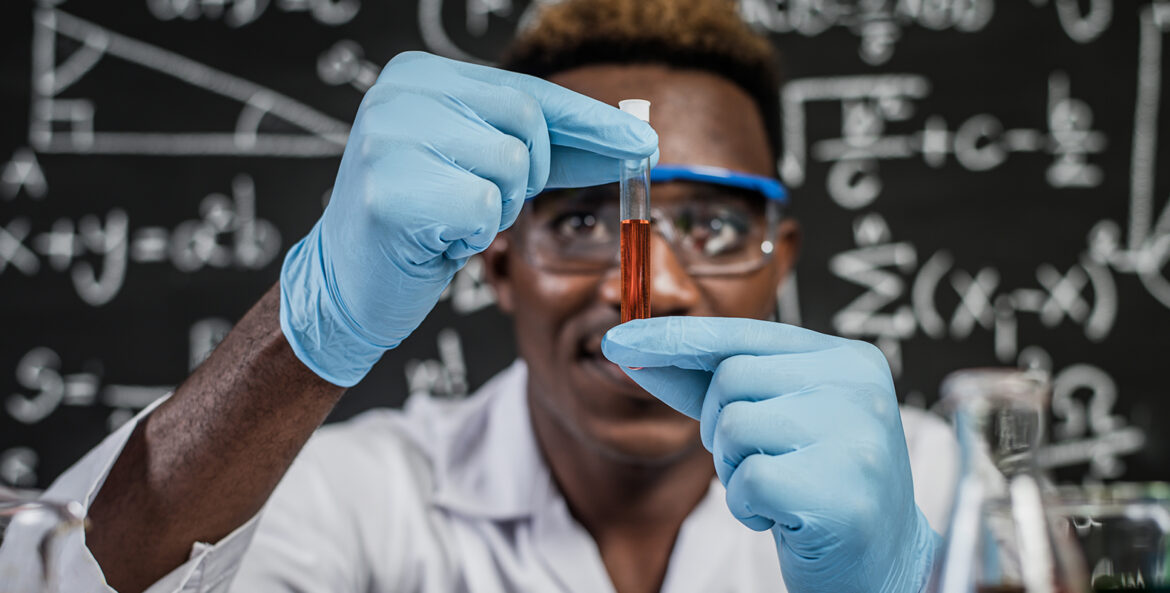
Establishing a well-equipped laboratory is essential for providing students with hands-on learning experiences in science education. However, for many high schools and junior secondary schools in Kenya, budget constraints can pose a challenge when it comes to setting up a lab. In this step-by-step guide, we’ll explore practical tips and essential equipment recommendations for schools looking to establish a functional laboratory while adhering to a limited budget.
Step 1: Assess Your Needs and Budget
Before purchasing any equipment, it’s crucial to assess your school’s needs and budget. Identify the specific requirements of your science curriculum and prioritize essential equipment accordingly. Consider factors such as the number of students, the types of experiments to be conducted, and any existing resources that can be repurposed.
Step 2: Research Affordable Options
Once you have a clear understanding of your needs and budget, research affordable options for lab equipment. Look for reputable suppliers like Transurban that offer high-quality equipment at competitive prices. Explore their product catalog and compare prices to ensure you’re getting the best value for your money.
Step 3: Prioritize Essential Equipment
Focus on acquiring essential lab equipment that is crucial for conducting basic experiments across various science disciplines. Prioritize items such as Basic Microscopes, Bunsen Burners, Glassware, Measuring Instruments, and Chemical Reagents. These tools form the foundation of a functional laboratory and are essential for student learning.
Step 4: Make Informed Purchasing Decisions
When making purchasing decisions, consider factors such as durability, longevity, and ease of use. Invest in equipment that is built to last and can withstand regular use in a school environment. Choose products that come with warranties and reliable customer support to ensure peace of mind.
Step 5: Explore Subtle Product Recommendations
As you select equipment for your laboratory, consider subtle product recommendations from Transurban. Their range of affordable lab equipment, including Basic Microscopes, Bunsen Burners, Glassware, Measuring Instruments, and Chemical Reagents, is designed to meet the needs of educational institutions while staying within budget. Incorporate these recommendations into your purchasing decisions to ensure you’re getting quality equipment at competitive prices.
Step 6: Set Up Your Laboratory
Once you’ve acquired the necessary equipment, it’s time to set up your laboratory. Organize your space efficiently, ensuring easy access to equipment and safety supplies. Create designated areas for different types of experiments and provide clear instructions for students on how to use the equipment safely and responsibly.
Step 7: Maintain and Upgrade Regularly
Maintaining your laboratory equipment is essential for prolonging its lifespan and ensuring optimal performance. Implement regular cleaning and maintenance procedures to keep equipment in good condition. Additionally, budget for upgrades and replacements as needed to keep your laboratory up-to-date and fully functional.
Conclusion
Setting up a school laboratory on a budget requires careful planning and informed decision-making. By following this step-by-step guide and prioritizing essential equipment, schools can create a functional and engaging learning environment for students. With affordable options from suppliers like Transurban, including Basic Microscopes, Bunsen Burners, Glassware, Measuring Instruments, and Chemical Reagents, schools can equip their labs efficiently while staying within budget.
For more information and to explore Transurban’s range of lab equipment, visit their website today.